Loading...
Innovative fiber-to-fiber recycling technology
Engineering the Future of Circular Textiles
Innovative fiber-to-fiber recycling technology
Engineering the Future of Circular Textiles
Closing the Loop on Cellulosic Textiles at Industrial Scale
SaXcell’s chemical recycling technology enables true textile-to-textile circularity by converting post-consumer and pre-consumer cotton-rich textile waste into high-quality dissolving pulp for regenerated cellulose fibers.
Designed to integrate with existing fiber production infrastructure, SaXcell’s closed-loop lyocell process enables production at scale without disrupting established supply chains.
From Science to Solution
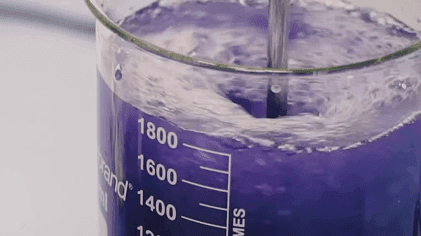
Clean Chemistry (Lyocell-Based)
SaXcell uses a lyocell-based, closed-loop chemical recycling system that avoids sulfur-based chemicals, removes contaminants from textile waste, and continuously recovers and reuses solvents.
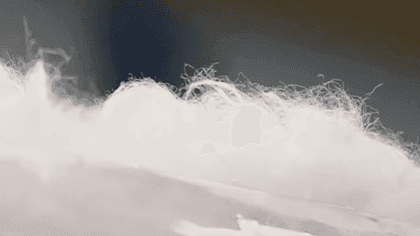
High-Purity Cellulose From Waste
Cotton-rich textile waste is chemically recycled to remove dyes and impurities, producing high-purity cellulose suitable for premium fiber regeneration.
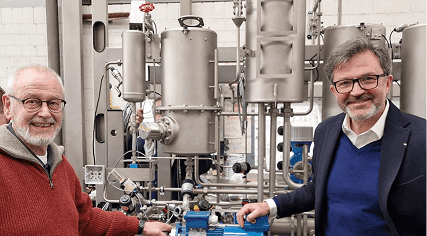
Industrial-Scale Engineering
Most recycling innovations remain at pilot scale. SaXcell is designed and tested for industrial fibre production — stable, scalable, and reliable for real supply chains.
Lower impact, higher performance

Significantly Lower Environmental Footprint
Uses up to 98% less water than cotton and delivers 75% lower GHG emissions through a closed-loop process.

Pure Cellulose, Zero Microplastics
A regenerated cellulose fiber with no synthetic residues, eliminating microplastic release during use and washing.

Built for Industrial Performance
Consistent fiber quality, excellent dye uptake and compatibility with existing textile infrastructure enable reliable production at scale.
Advantages of Chemical Recycling
Chemical recycling allows us to recover pure cellulose from textile waste and regenerate it into high-performance fibers.
Aspect
Chemical Recycling
Mechanical Recycling
Fiber length
Fully regenerated
Shortened
Fiber strength
Near-virgin
Reduced
Blended textiles
✅ Viable
❌ Not Viable
Dye & finish removal
✅ Yes
❌ No
Recycling cycles
Multiple / closed loop
2-3
Energy use
Medium-High
Low
Circularity
Full
Partial
Using SaXcell fibers helps support compliance with EU regulations covering recycled content, traceability, and transparent sustainability reporting.

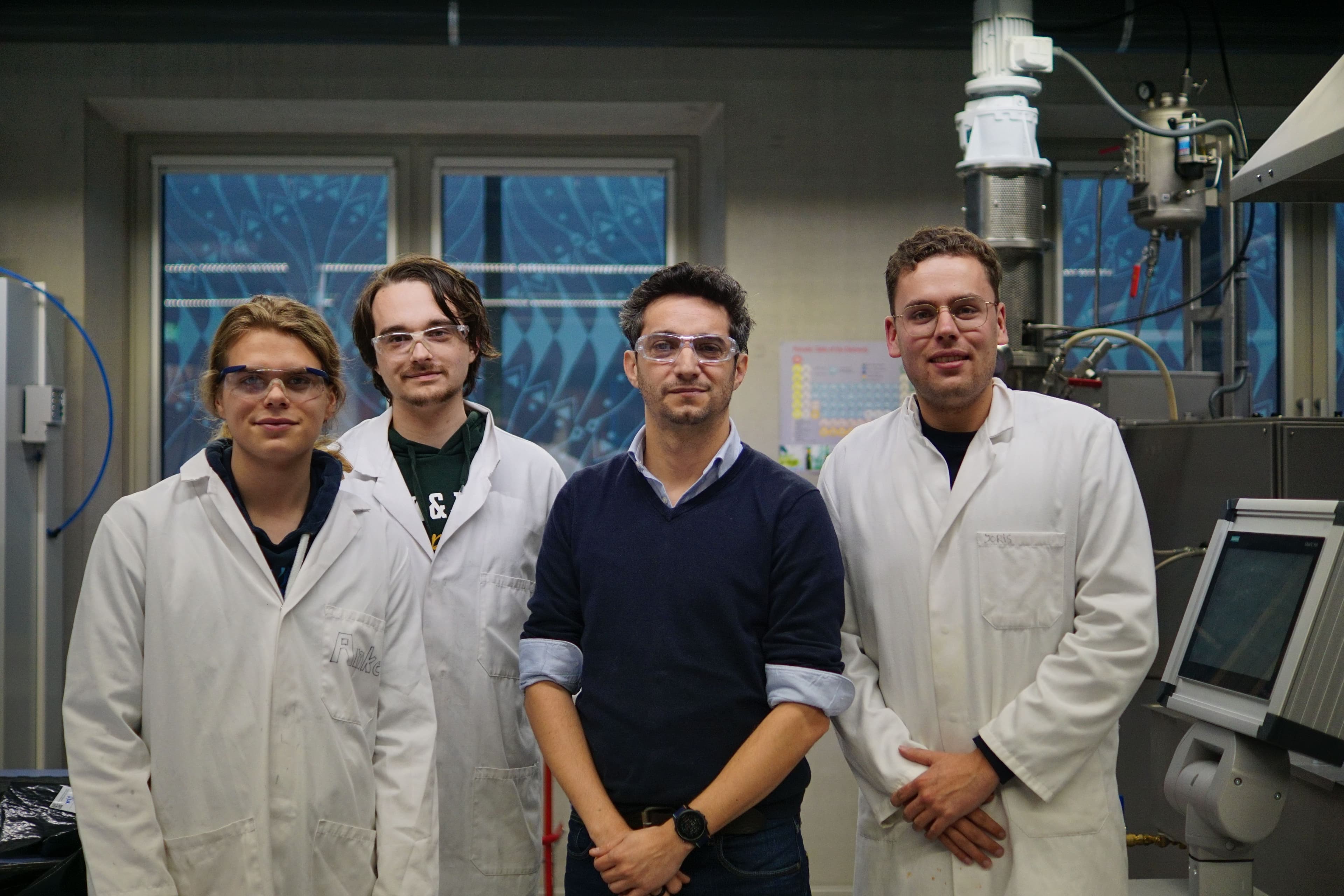
15 years of research and development behind SaXcell’s sustainable cellulose regeneration technology.
SaXcell’s journey began in 2011, when a team of researchers at Saxion University of Applied Sciences in Enschede, the Netherlands, launched the SaXcell project with the aim of advancing circularity in the textile industry.
Our Collaborators










Frequently Asked Questions
SaXcell is a regenerated man-made cellulose fiber made primarily from used cotton textiles through a chemical recycling process. It differs from conventional cotton and many synthetic fibers because it transforms textile waste into high-quality fibers with lower environmental impact – our process uses 40L of water per kg of SaXcell, while cotton consume 2000L for kg of cotton and avoiding harmful chemicals in a closed-loop process.
SaXcell fibers are compatible with standard textile production equipment and suitable for high-quality applications — including apparel, household textiles, and workwear fabrics. They are typically blended with other fibers such as cotton or wood pulp for performance and processing benefits.
SaXcell fibre is made by recycling cotton-rich textile waste. The textiles are collected, sorted, cleaned of non-cellulosic parts, and processed into pulp using SaXcell’s patented pulping step. This pulp is then converted into new fibres through a standard lyocell process. The current SaXcell L30 fibre contains 30% recycled textile cellulose and 70% standard lyocell pulp, making it compatible with existing textile production systems.
SaXcell® fibers promote a circular textile economy by: Reducing the need for virgin cotton, saving vast amounts of water and agricultural land. Recycling chemicals and water in a closed loop. Lowering overall environmental impact compared to both cotton cultivation and traditional viscose recycling.
SaXcell technology is being scaled through strategic collaborations (for example with Birla Cellulose) to produce recycled man-made cellulosic fibers at commercial scale. The current pilot and commercial efforts aim to increase global availability while enabling brands and retailers to incorporate SaXcell into sustainable product lines.
Excited about our fibers? Let’s connect.