Loading...
Regenerated • Durable • Soft
Premium Regenerated Lyocell Fibers for the Next Generation of Textiles
Regenerated • Durable • Soft
Premium Regenerated Lyocell Fibers for the Next Generation of Textiles
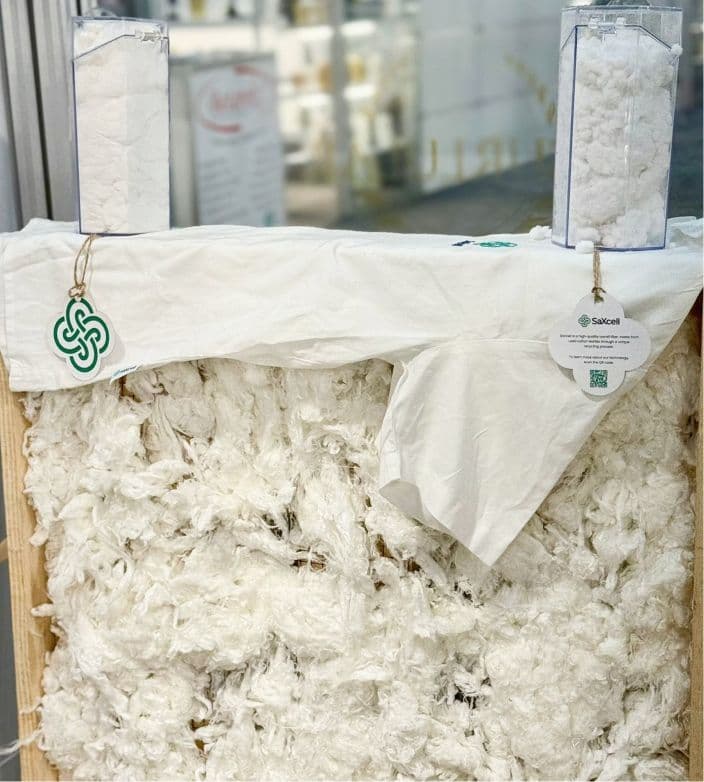
Using advanced cellulose regeneration technology, we transform cotton-rich textile waste into premium lyocell fibers that exceed the quality of conventional cotton.
SaXcell® was created to address one of the fashion industry’s biggest challenges: enabling high-quality, scalable fiber production without relying on virgin resources.
Develop your fabric line-up with SaXcell® fibers
Soft on Skin. Strong in Performance. Circular at the Core.
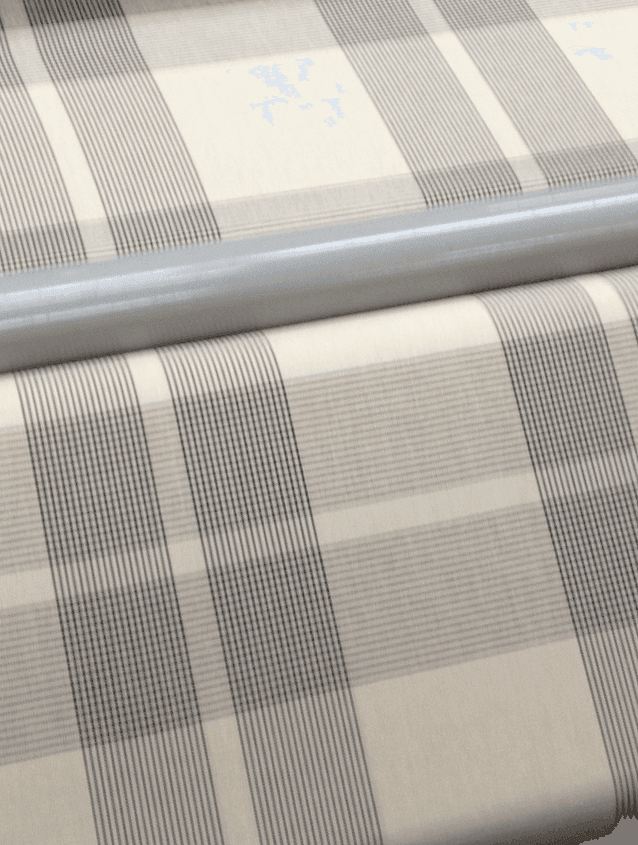
Premium Fabrics
Shawls, suits, shirts, & dresses
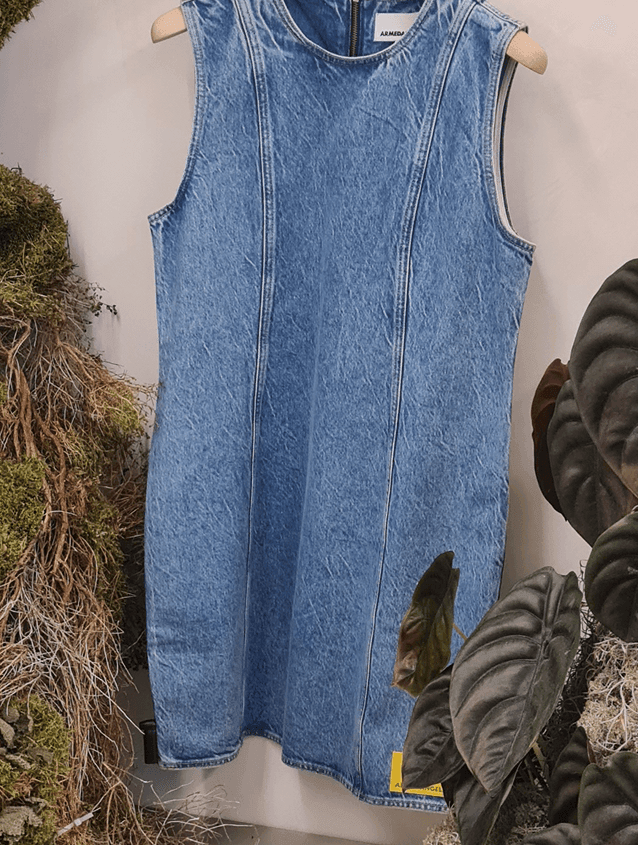
Denim
Breathable, soft, natural feel

Activewear
Breathable, soft, natural feel
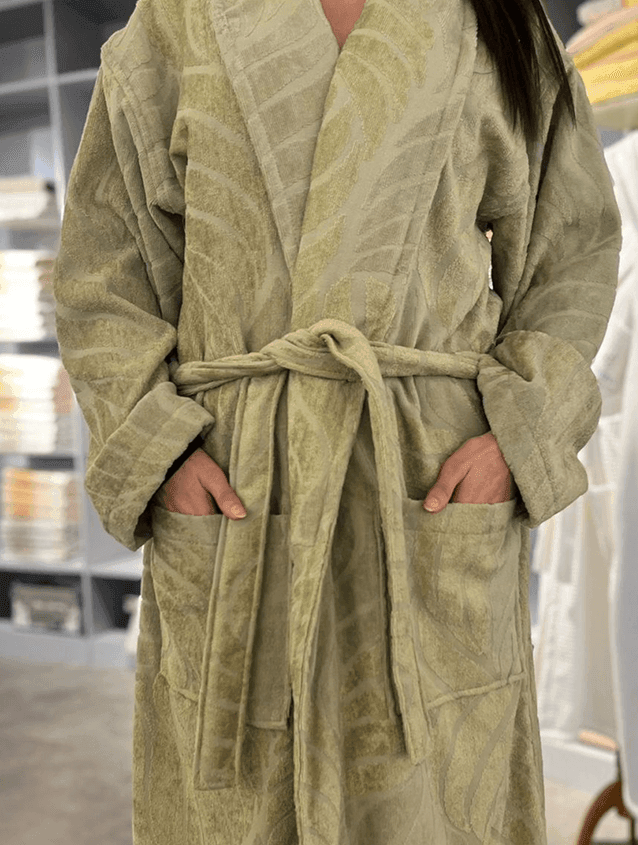
Home Textiles
Towels, bedsheets, durable blends
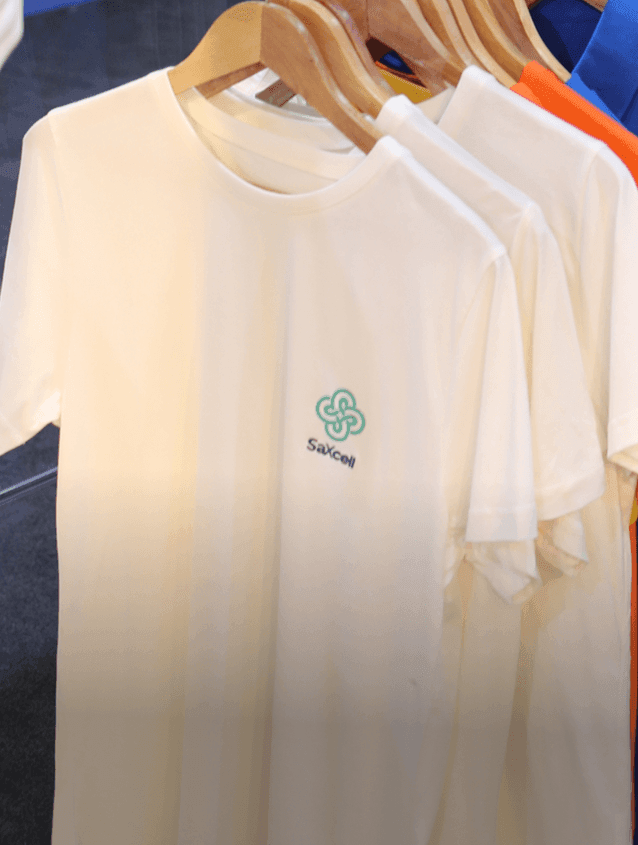
Clothing
Breathable, soft, natural feel
Premium Fabrics
Shawls, suits, shirts, & dresses
Denim
Breathable, soft, natural feel
Activewear
Breathable, soft, natural feel
Home Textiles
Towels, bedsheets, durable blends
Clothing
Breathable, soft, natural feel
Designed for versatility and reliability, SaXcell® fibers integrate seamlessly into existing textile processes and can replace virgin fibers across fashion, home textiles, and technical applications.
A Cleaner Fiber Choice for Forward-Thinking Brands
We are a materials technology company committed to reshaping how fibers are made, helping brands move toward a more circular, lower-impact textile industry without compromising on quality or performance.
Aspect
SaXcell Lyocell
Regular Lyocell
Raw material
Recycled cotton textile waste
Virgin wood pulp
Circularity
Textile-to-textile circular
Renewable, mostly linear
Waste impact
✅ Designed to tackle textile waste
❌ Does not address textile waste
Water & land use
✅ No farming or land cultivation
❌ Relies on wood-based raw materials
Performance
Soft, strong, lyocell-grade
Soft, strong, lyocell-grade
Our Collaborators











Strong & durable fibers
Premium fabric quality
Excellent dye uptake
Moisture-absorbing & breathable
Certified, Tested & Trusted
SaXcell works with independent auditors, textile laboratories, and recycling standards to ensure our products meet the highest quality and sustainability benchmarks.
REGIO GEEN TEX
SaXcell is a part of the EU-backed RegioGreenTex innovation network, advancing circular textile technologies through validated R&D collaboration.
RECYCLED CLAIM STANDARD
SaXcell is certified under the Recycled Claim Standard (RCS), verifying the recycled content through third-party audited chain-of-custody.

EUROPEAN UNION
SaXcell is backed by European Union co-funding to accelerate scalable, circular fiber innovation.
Frequently Asked Questions
SaXcell is a regenerated man-made cellulose fiber made primarily from used cotton textiles through a chemical recycling process. It differs from conventional cotton and many synthetic fibers because it transforms textile waste into high-quality fibers with lower environmental impact – our process uses 40L of water per kg of SaXcell, while cotton consume 2000L for kg of cotton and avoiding harmful chemicals in a closed-loop process.
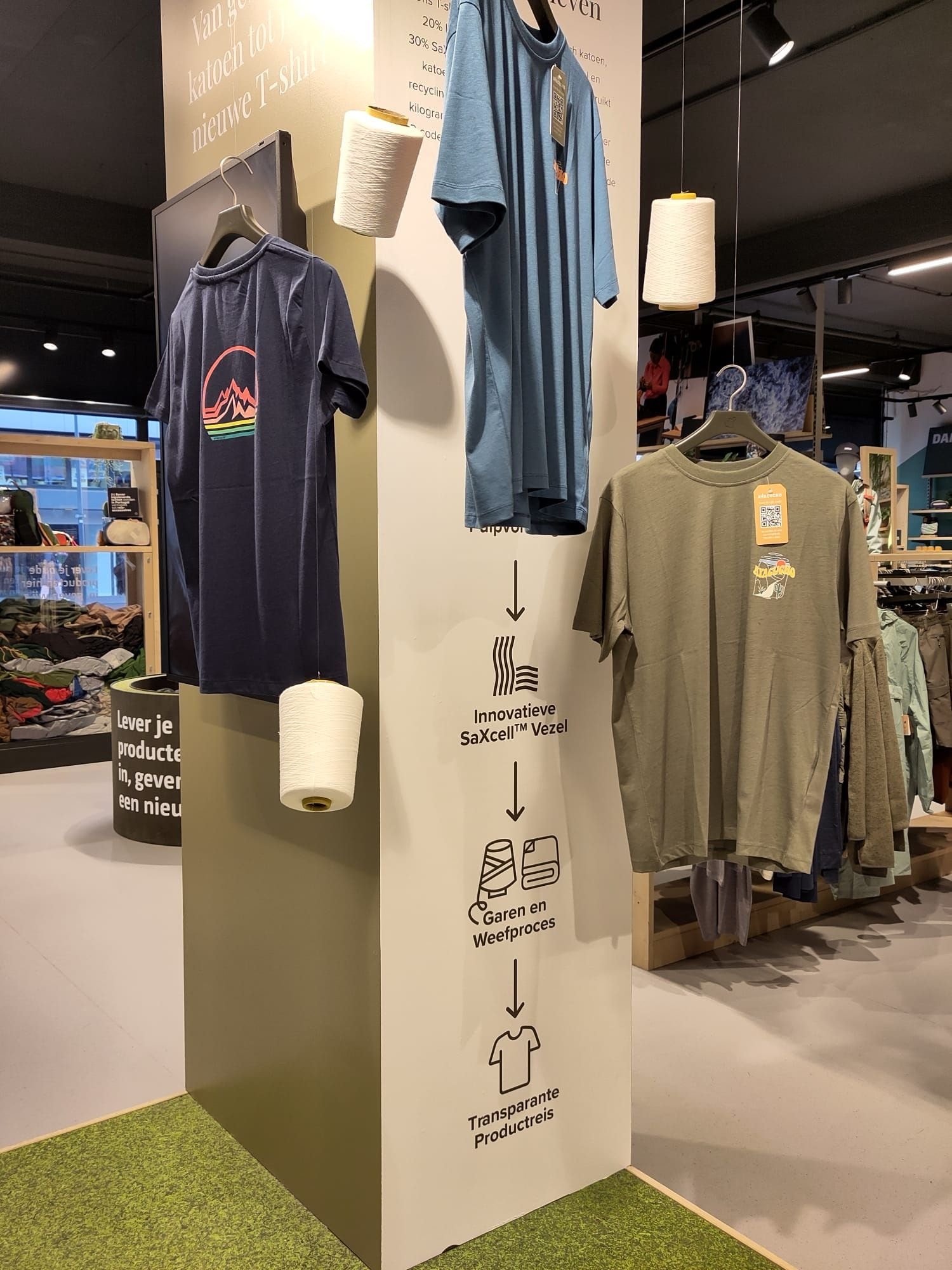
SaXcell fibre is made by recycling cotton-rich textile waste. The textiles are collected, sorted, cleaned of non-cellulosic parts, and processed into pulp using SaXcell’s patented pulping step. This pulp is then converted into new fibres through a standard lyocell process. The current SaXcell L30 fibre contains 30% recycled textile cellulose and 70% standard lyocell pulp, making it compatible with existing textile production systems.
SaXcell fibers are compatible with standard textile production equipment and suitable for high-quality applications — including apparel, household textiles, and workwear fabrics. They are typically blended with other fibers such as cotton or wood pulp for performance and processing benefits.
SaXcell® fibers promote a circular textile economy by: Reducing the need for virgin cotton, saving vast amounts of water and agricultural land. Recycling chemicals and water in a closed loop. Lowering overall environmental impact compared to both cotton cultivation and traditional viscose recycling.
SaXcell technology is being scaled through strategic collaborations (for example with Birla Cellulose) to produce recycled man-made cellulosic fibers at commercial scale. The current pilot and commercial efforts aim to increase global availability while enabling brands and retailers to incorporate SaXcell into sustainable product lines.
Excited about our fibers? Let’s connect.