Why Home Textiles Are the Next Frontier for Circular Fiber
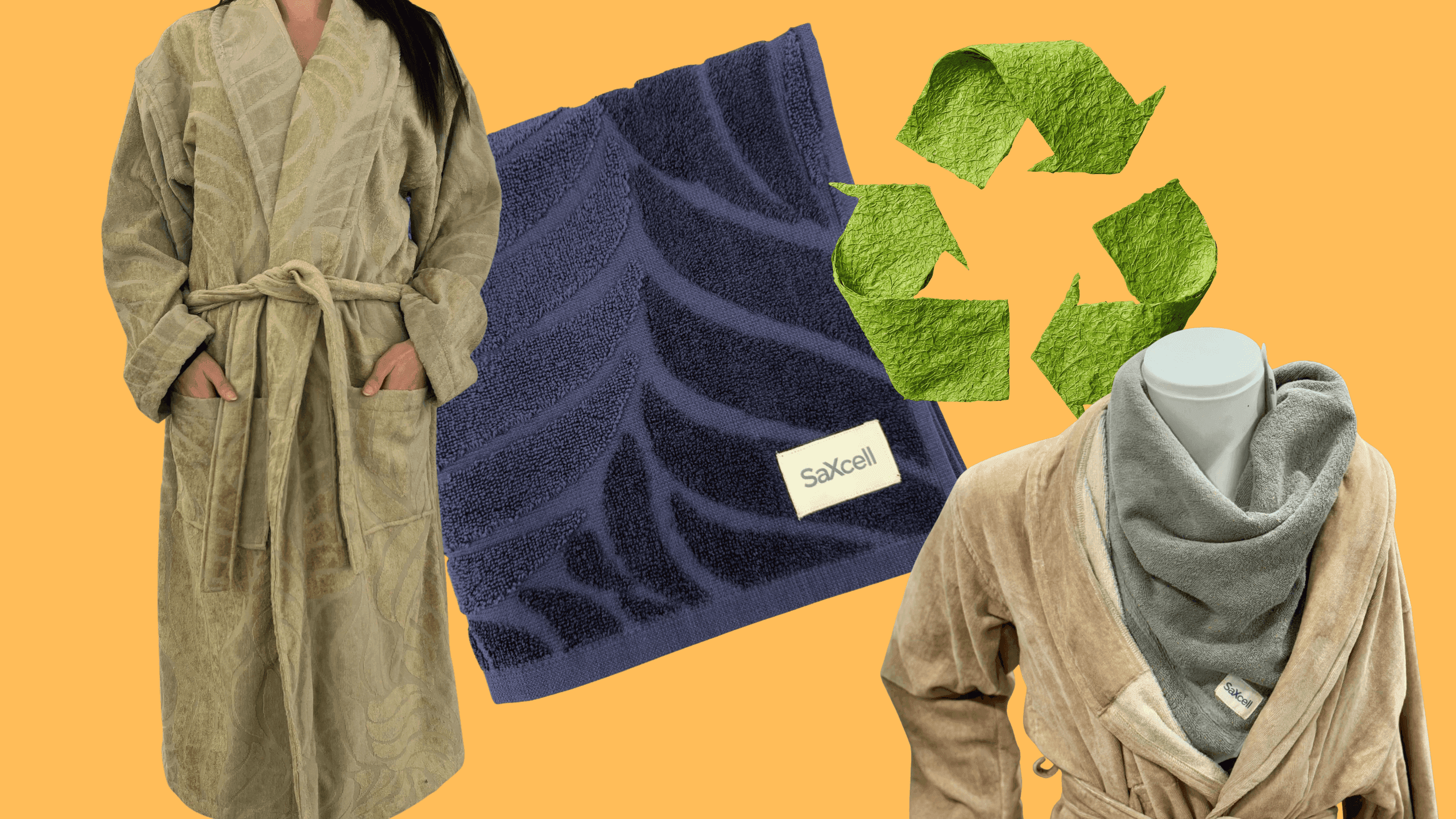
Nearly every conversation about textile recycling leads back to apparel. But while fashion absorbs the attention, a much larger and far less discussed market is sitting largely untouched. Home textiles. And it is quietly becoming one of the most significant opportunities in circular fiber.
The Blind Spot in the Circular Fiber Conversation
Home textiles: bedding, towels, curtains represent a substantial and growing share of global textile production. Yet the circularity conversation has barely touched this category. Sustainability reports focus on garments. Recycling pilots target clothing. Brand commitments are measured in apparel units, not thread counts.
This is a blind spot. And it is one the industry is only beginning to recognize.
Home textiles generate textile waste on a significant scale. They wear out, go out of style and end up in the same landfills as the clothes everyone is already talking about. The difference is that no one has built a circular story around them yet. That gap is an opportunity.
What Makes Home Textiles the Right Fit for Circular Fiber
-
Standardized Specifications
Fashion is trend-driven. Fiber blends and fabric constructions shift season to season, making circular fiber integration harder to plan.
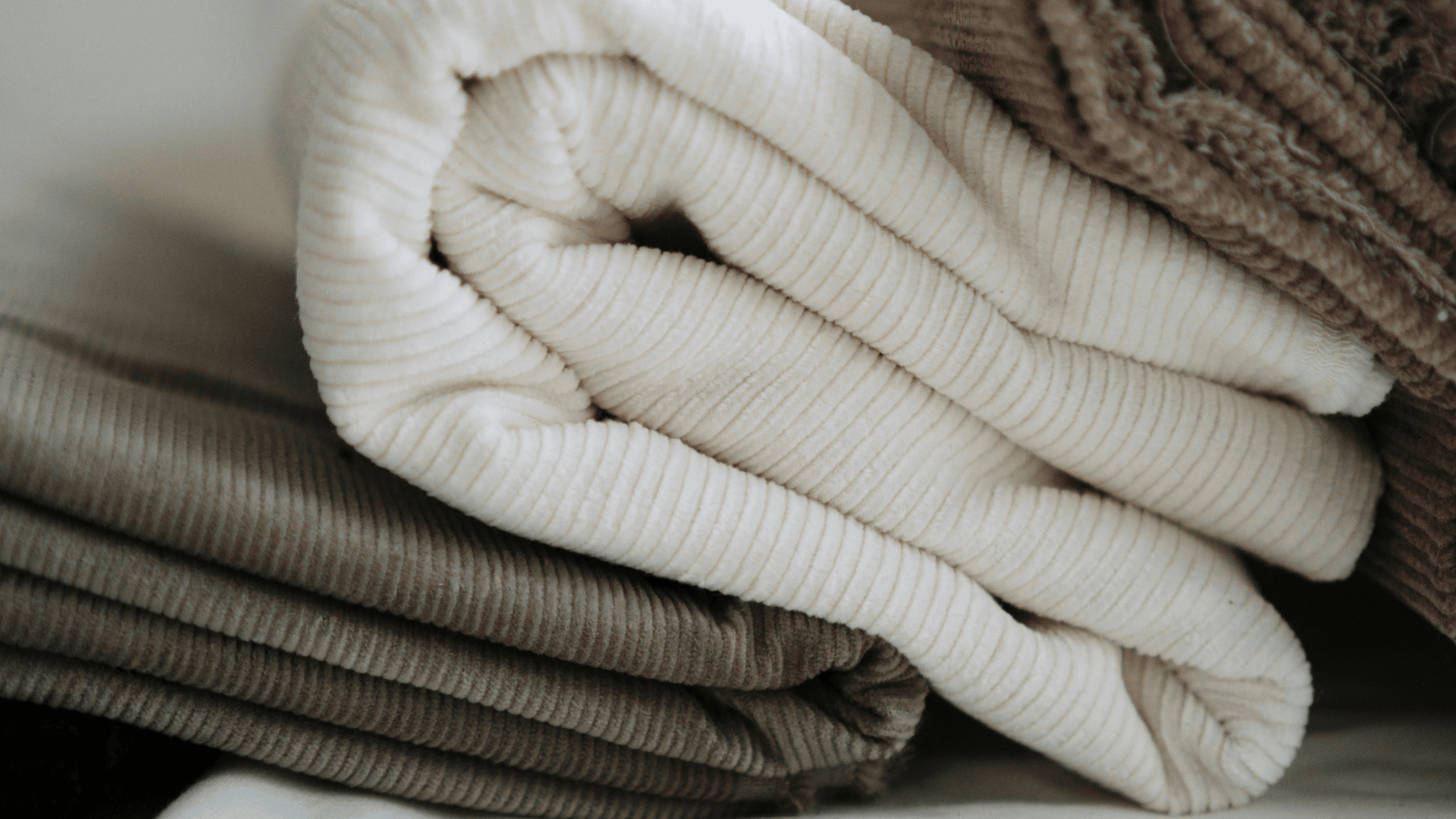
Home textiles are different. Thread counts, tensile strength requirements and fiber compositions follow consistent industry standards across manufacturers. That predictability creates a reliable demand signal for circular fiber producers.
-
Performance Requirements That SaXcell Can Meet
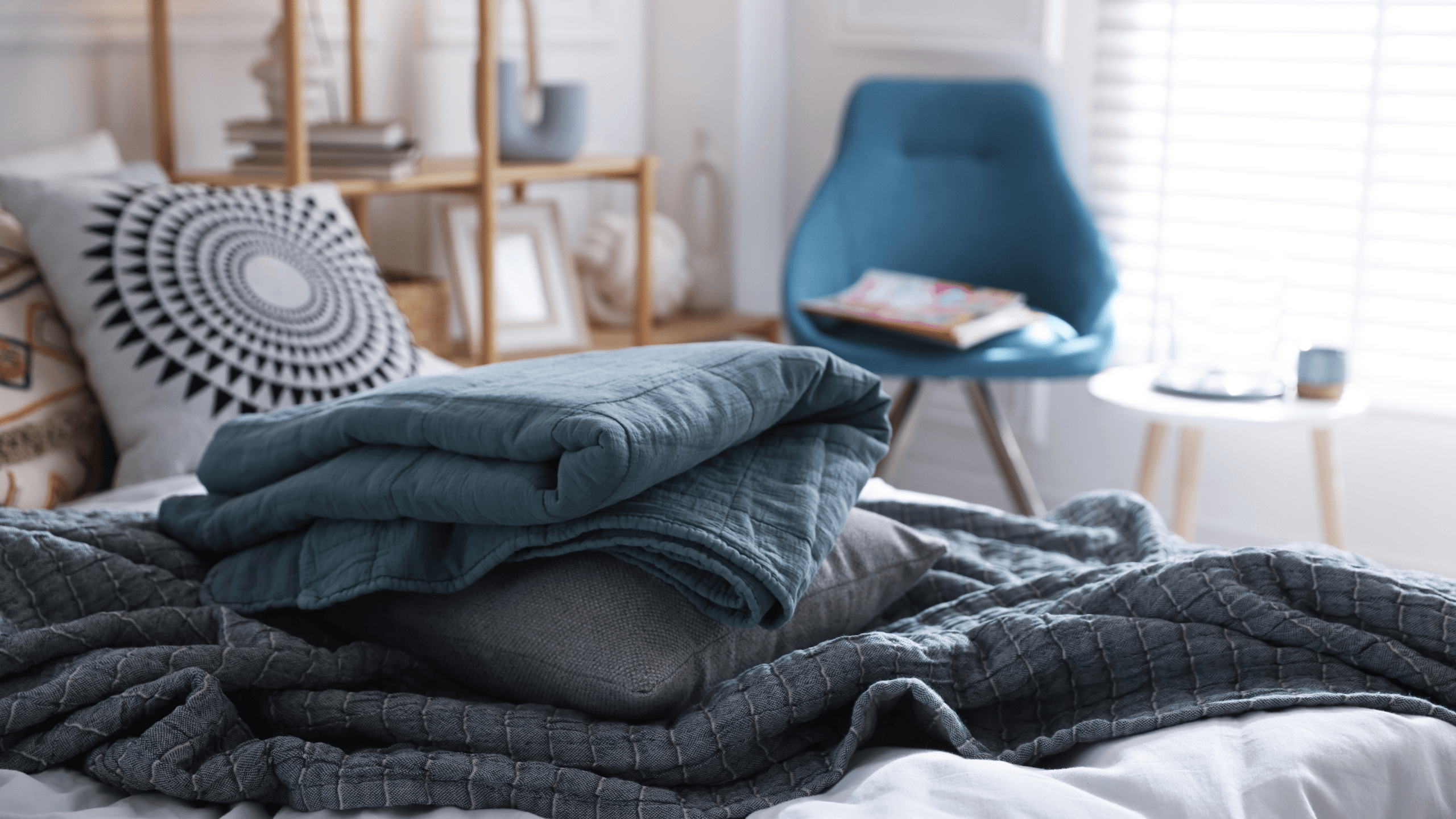
A towel that deteriorates after ten washes is not a viable product. Bedding that loses its hand after a few months does not get repurchased. Home textiles place a high-performance bar on every fiber in the supply chain.
SaXcell's recycled fiber is produced with a 38mm fiber length and 50% higher moisture absorption than conventional cotton. These are production-verified specifications that meet the performance requirements of home textiles.
Circular fiber is not a compromise input for home textiles. For the right fiber, produced the right way, it is a fully qualified raw material.
-
Volume and Stability
The home textiles market is large and growing. Unlike trend-driven fashion, it offers the planning certainty that makes circular fiber integration commercially logical. The category has both the volume and the stability to absorb circular fiber at scale. A recycled fiber that performs consistently is not a compromise in this category. It is exactly what the market requires.
Where the Value Chain Stands
Scaling circular fiber into home textiles is not a solo effort. It requires waste collectors, fiber producers, spinners, mills and brands aligned around the same goal.
SaXcell recently hosted CIBUTEX and Collectief Circulair Textiel members for an afternoon focused on exactly this: how do circular fibers move into industry-standard home textile applications, at scale? The session mapped the full value chain and turned ideas into concrete next steps.
What stood out was not the ambition in the room. It was the willingness to commit. The infrastructure is being built. The conversations are happening at the right level.
The Moment to Act Is Now
The EU's Extended Producer Responsibility regulations and incoming textile waste directives are creating new obligations for brands in European markets. Recycled content requirements and the Digital Product Passport are not distant proposals. They are incoming requirements that will reshape sourcing decisions.
Home textile brands that have not yet built a circular sourcing story will need one. The brands and mills that act now will be building supply chain relationships while there is still time to build them properly.
The frontier is open. The fiber exists. The question is who moves first.
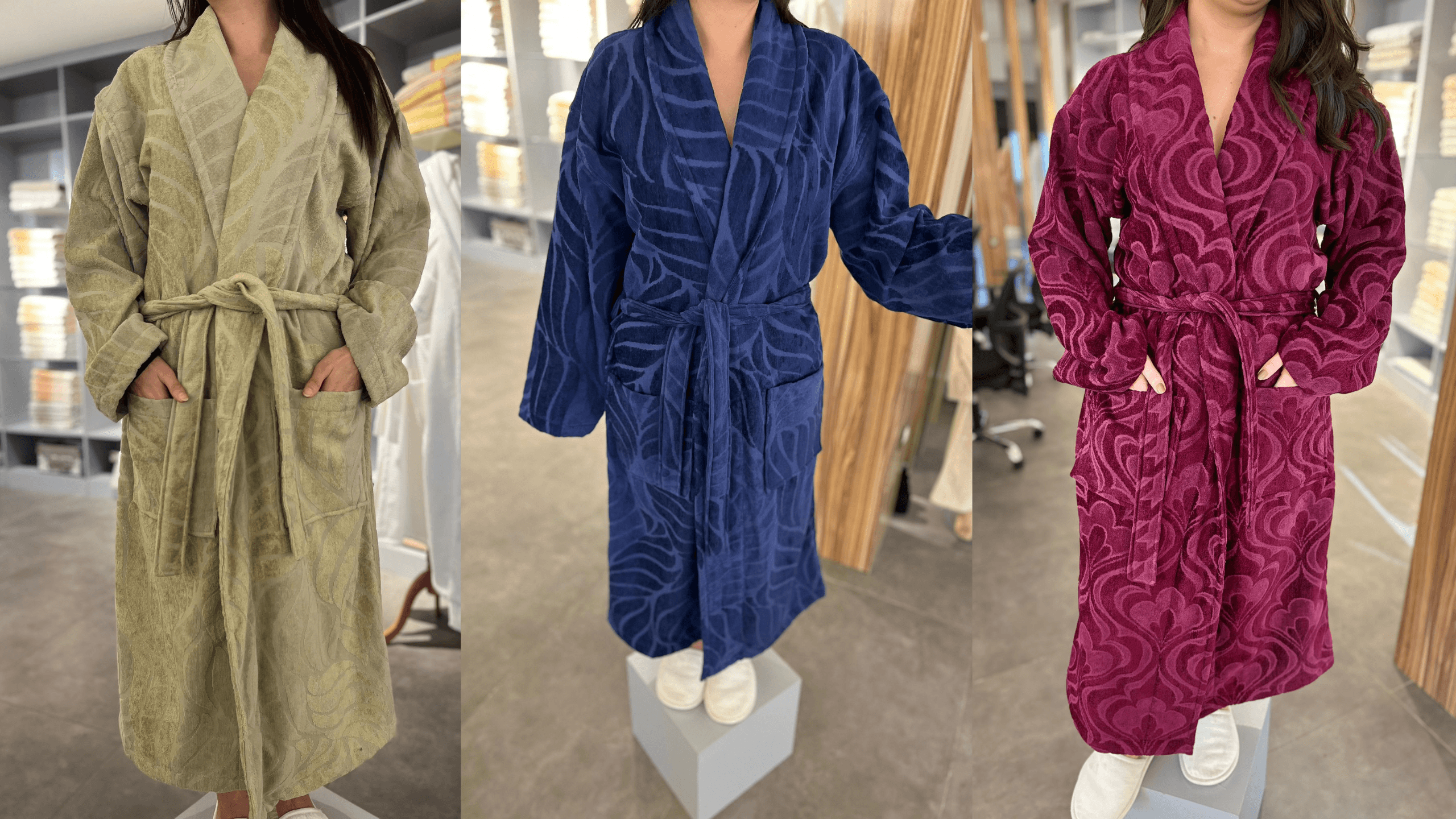
Curious about what circular fiber looks like in home textile applications? Let's talk.