Cost Per Wear: The Metric That Makes Sustainable Clothing the Smarter Financial Choice
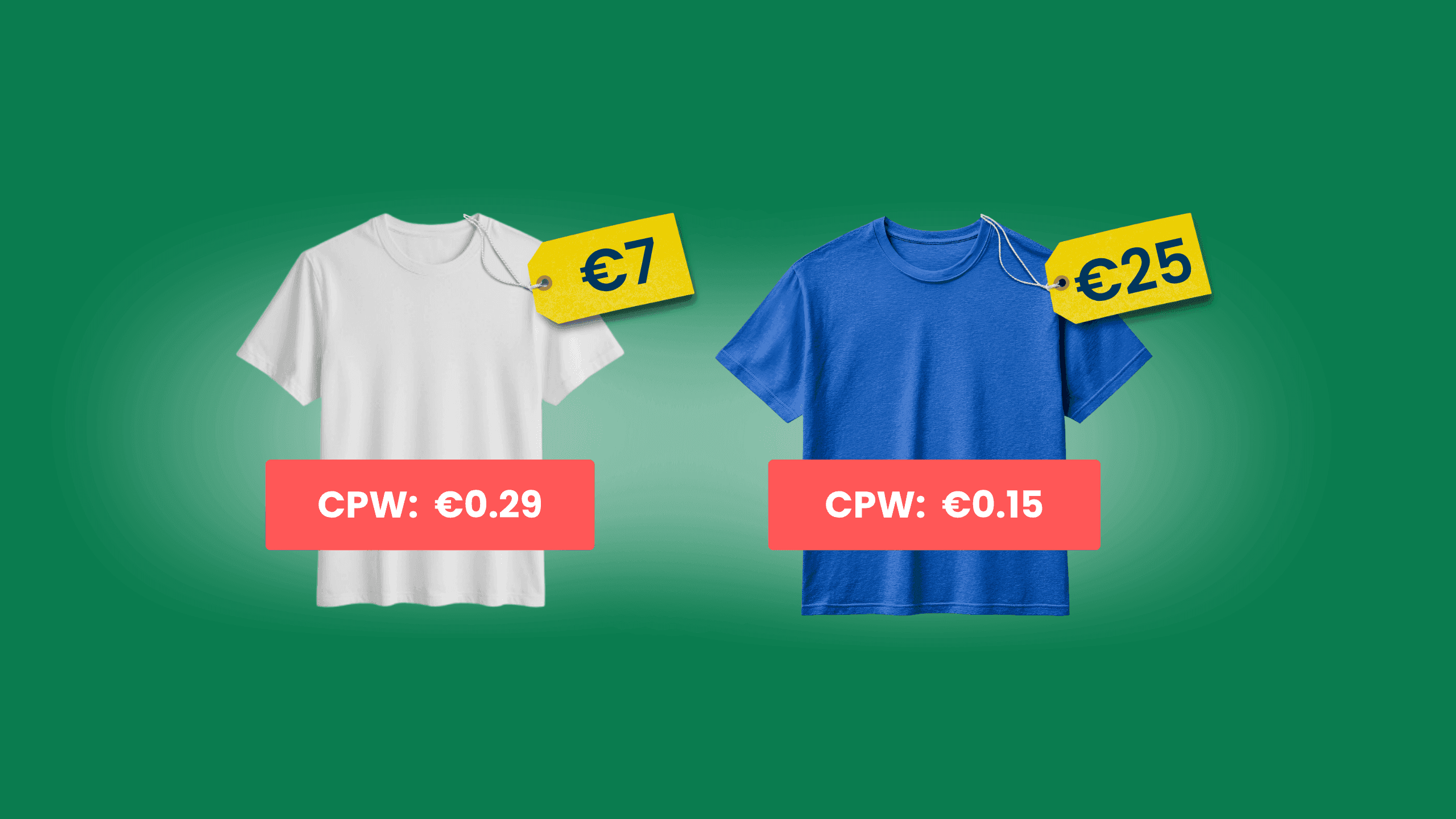
Most people buy cheaper clothing thinking they are saving money. New research published in the Journal of Marketing suggests they are doing the opposite.
A study by Lisa Eckmann and Lucia A. Reisch introduces cost per wear as a purchasing framework that changes how consumers evaluate clothing quality. The findings have significant implications for the textile industry, and for fibers engineered to last.
What Is Cost Per Wear?
Cost per wear (CPW) is calculated by dividing the price of a garment by the number of times it can be worn before it needs to be replaced. A shirt that costs €20 and lasts one year of weekly wear has a CPW of €0.40. A shirt that costs €50 but lasts four years of the same use has a CPW of €0.25.
The more durable garment costs more upfront. But it costs less per use, making it the better financial investment over time.
The concept is straightforward, yet research confirms that most consumers do not apply it at the point of purchase. When buying clothing, shoppers focus on the price tag. Usage frequency and longevity are overlooked almost entirely.
What the Research Found
Across six experiments, Eckmann and Reisch tested whether communicating CPW at the point of sale shifts consumer preference from cheaper, lower-quality options toward more expensive, higher-quality ones.
The results were consistent: when CPW information was visible and comparable, consumers chose the higher-quality option more often. They also perceived it as more economical, not just more sustainable.
Several conditions made CPW communication most effective:
-
Comparison is essential. CPW only influences decisions when consumers can compare values across options. A CPW of €0.25 means little in isolation. Placed next to a CPW of €0.50, it becomes a clear signal of value.
-
Everyday purchases respond better than special occasions. For one-off purchases like a wedding outfit, intended usage is low and CPW loses its relevance. For everyday garments worn regularly, the metric carries real weight.
-
Third-party certification increases trust. When an independent organization verified the CPW claim, consumer preference for the higher-quality option increased significantly. Certification removes skepticism and makes the durability claim credible.
-
CPW outperforms general durability claims. When brands simply stated that their product was "long-lasting," it was less persuasive than showing a concrete CPW figure. Numbers build trust in a way that adjectives do not.
Why Fiber Quality Determines Cost Per Wear
CPW is only a useful metric if the underlying fiber can actually deliver the promised wears. This is where material science matters.
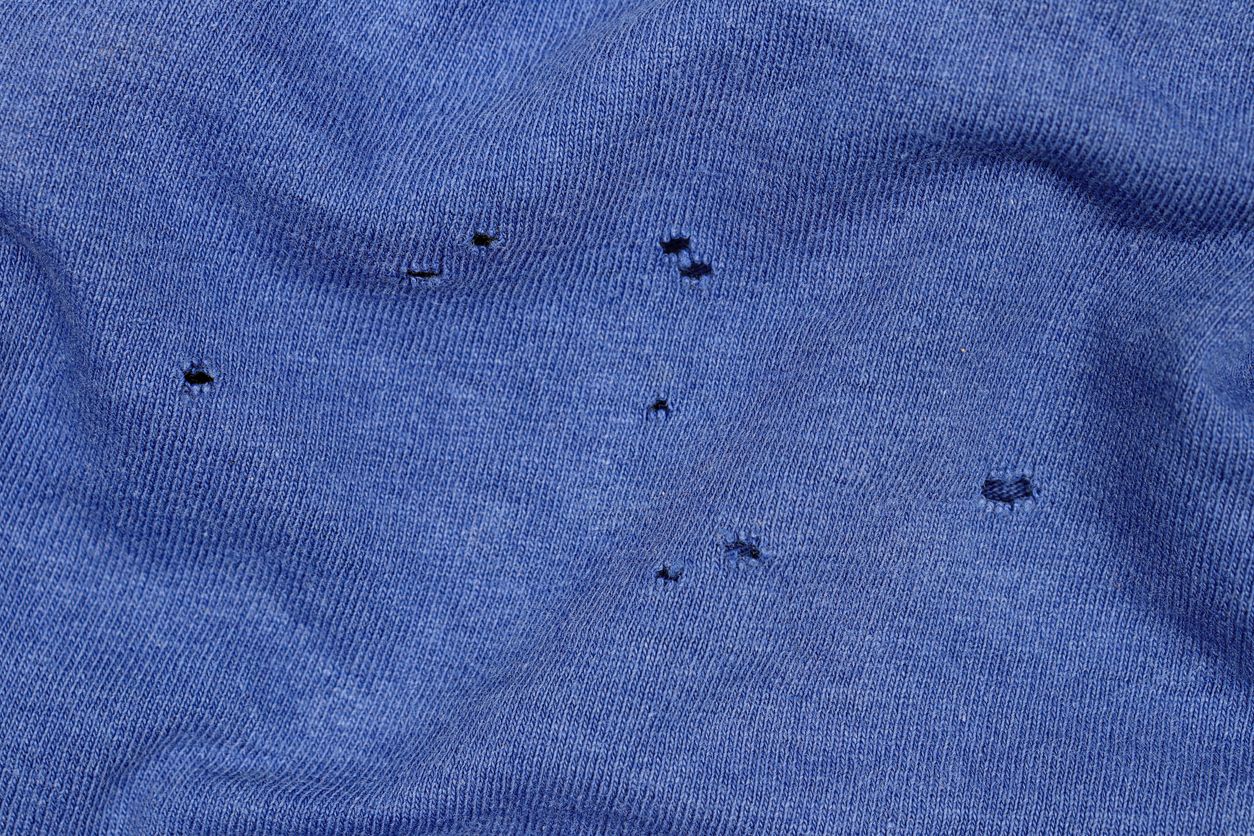
A garment's durability depends on the fiber it is made from: how it responds to repeated washing, how it holds its shape and color, and how long it maintains structural integrity. Fibers with poor tensile strength degrade faster. They fade, pill and lose form. The more washes a fiber can withstand without deteriorating, the lower the CPW of any garment made from it.
This is the material argument for investing in fiber quality at the production level, not just the retail level.
What This Means for Lyocell and Recycled Fibers
The research presents a direct opportunity for fibers like SaXcell, to compete on economic value rather than sustainability messaging alone.
One of the persistent challenges in communicating the case for sustainable textiles is that environmental arguments, while compelling, do not always convert into purchase decisions. Consumers support sustainability in principle but often revert to price at the point of sale.
CPW reframes the conversation entirely. It positions durability as a financial benefit, not an environmental one. A fiber that lasts longer does not just reduce textile waste. It saves the consumer money per wear. That is a value proposition that speaks to a much wider audience than sustainability-led messaging alone.
The Case for Industry-Wide CPW Standards
The researchers also suggest that CPW could function as a regulatory tool. If independently tested and standardized across the industry, CPW labels could appear at the point of sale in the same way that unit pricing works for food products, enabling consumers to compare the true cost of clothing across brands and qualities.
This would have a structural effect on fast fashion. Cheap garments with short lifespans would show a high CPW, making their true cost visible in a way that a low price tag currently conceals. High-quality, durable garments would show a low CPW, rewarding the investment in better materials and production.
For fiber producers and textile manufacturers, this kind of standardization would shift competitive advantage toward durability. The brands and materials that last would win on economics, not just on values.
Quality Is Not a Premium. It Is a Calculation.
The Eckmann and Reisch study makes a case that the sustainable textile industry has needed for some time: the argument for quality does not have to be environmental to be effective.
When consumers understand that a more durable garment costs less per wear, the choice becomes rational rather than ideological. Sustainability becomes a byproduct of a smart financial decision, not a sacrifice for one.
For the textile industry, this means that investing in fiber quality, durability testing and transparent performance data is not only the right thing to do. It is increasingly the most commercially compelling thing to do.
The future of textile consumption is not necessarily less. It is better, longer-lasting and properly valued from the first wear to the last.