EU Green Claims Rules: What Changes in September 2026
From 27 September 2026, the rules on sustainability claims will change across the European Union. If your business uses terms such as "sustainable," "green," or "environmentally friendly" in its marketing, these changes apply to you.
Why These Rules Are Changing
The European Union wants to protect consumers from buying products that are less sustainable than the seller claims. Vague language has made it difficult for buyers to distinguish between genuine sustainability credentials and marketing that overstates a product's impact. The new rules are designed to close that gap.
What Changes From 27 September 2026
From that date, stricter rules will apply in the Netherlands and across the EU. Specifically:
You may no longer use vague sustainability claims without a clear explanation. Every claim must be provable. Claims must not be misleading. Only independent and recognized sustainability labels will be permitted. Your communication about the sustainability of your product must be complete and transparent.
These rules apply to businesses selling to consumers, online shops and retailers, and companies that use sustainability claims in their communications.
What This Means in Practice
Suppose your website currently states: "This is a sustainable T-shirt." From 27 September 2026, that statement will no longer be sufficient on its own.
You will need to explain what makes the product sustainable, which part of the product is sustainable, and be able to prove it.
A compliant claim would look like this: "Made from 100% organic cotton, certified by [recognised body]."
The standard being applied is specificity. A general claim about sustainability is not enough. The claim must be tied to a verifiable fact about the product.
What This Means for Textile Businesses
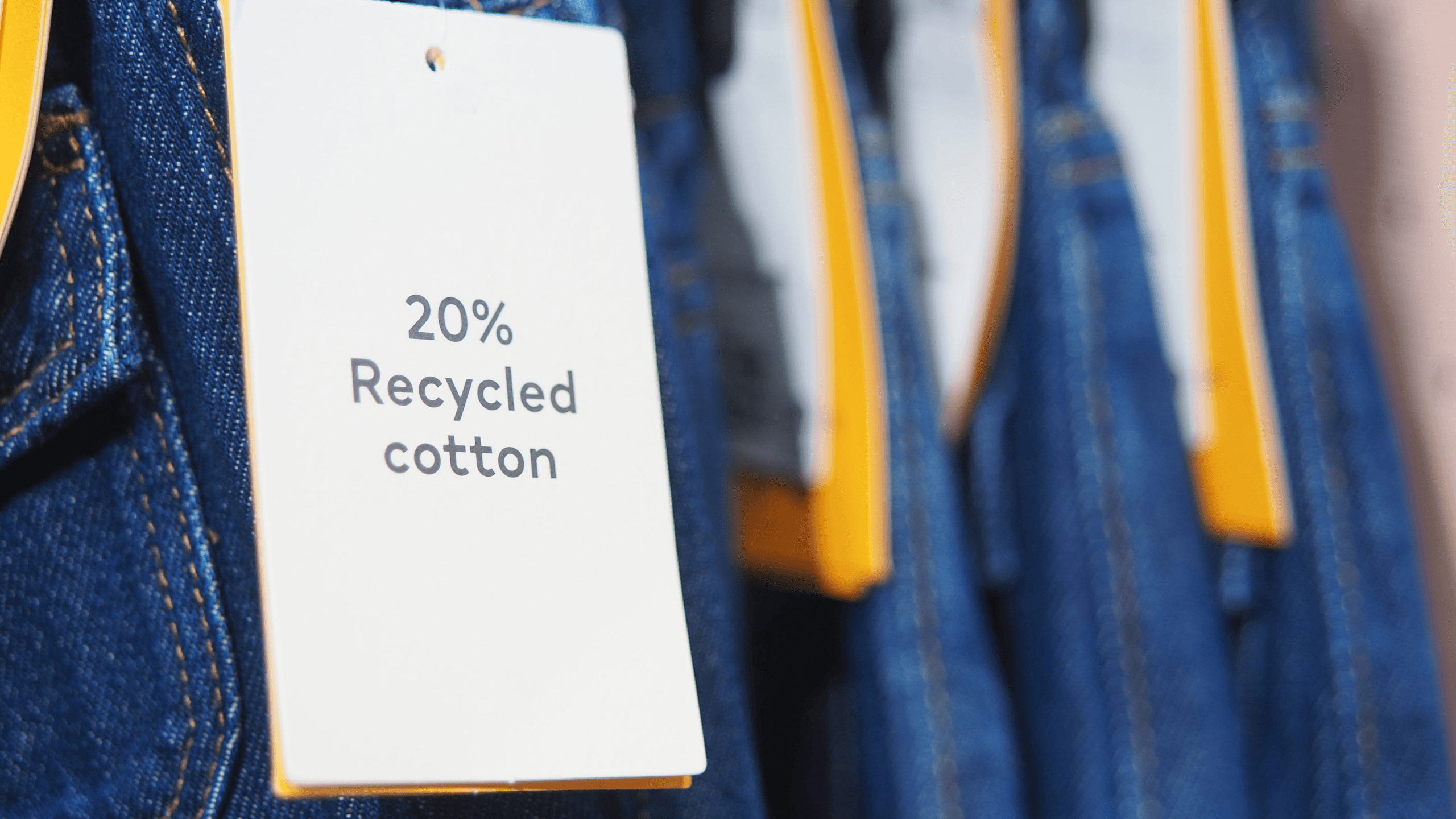
For businesses operating in the textile and fiber industry, this represents a significant shift in how sustainability must be communicated. The days of broad environmental positioning without substantiation are ending. What replaces them is a requirement for transparency: specific materials, verified certifications and documented evidence.
At SaXcell, this is how we have always approached our own claims. Our fiber specifications are documented and verifiable. The water usage figures we publish are based on our closed-loop Lyocell process. The certifications attached to our partnerships are independently recognized. Specification-backed communication is not a new requirement for us. It is how we have operated from the start.
What You Can Do Now
The September 2026 deadline is close. Here are the steps you can take today:
- Review the sustainability claims you currently use across your website, product labels and marketing materials.
- Make them concrete and specific, replacing vague terms with factual descriptions tied to materials, processes or certifications.
- Ensure you have evidence to hand for every claim you make.
The question is not whether these rules will affect your business. If you use sustainability language in your communications, they will. The question is whether your claims can withstand scrutiny when the standard changes.