Lyocell Fiber Market Growth: What It Means for Circular Fashion

If you work in sustainable fashion or textile sourcing, the lyocell fiber market is one you cannot afford to ignore. The global regenerated lyocell fiber market was valued at $965 million in 2024 and is projected to reach nearly $2 billion by 2031, growing at a CAGR of 11.7%. In this post, you will learn why this market is growing so fast, what regulation is driving it and how circular fiber innovators like SaXcell are already positioned to meet the demand.
(Source: Intel Market Research 2025)
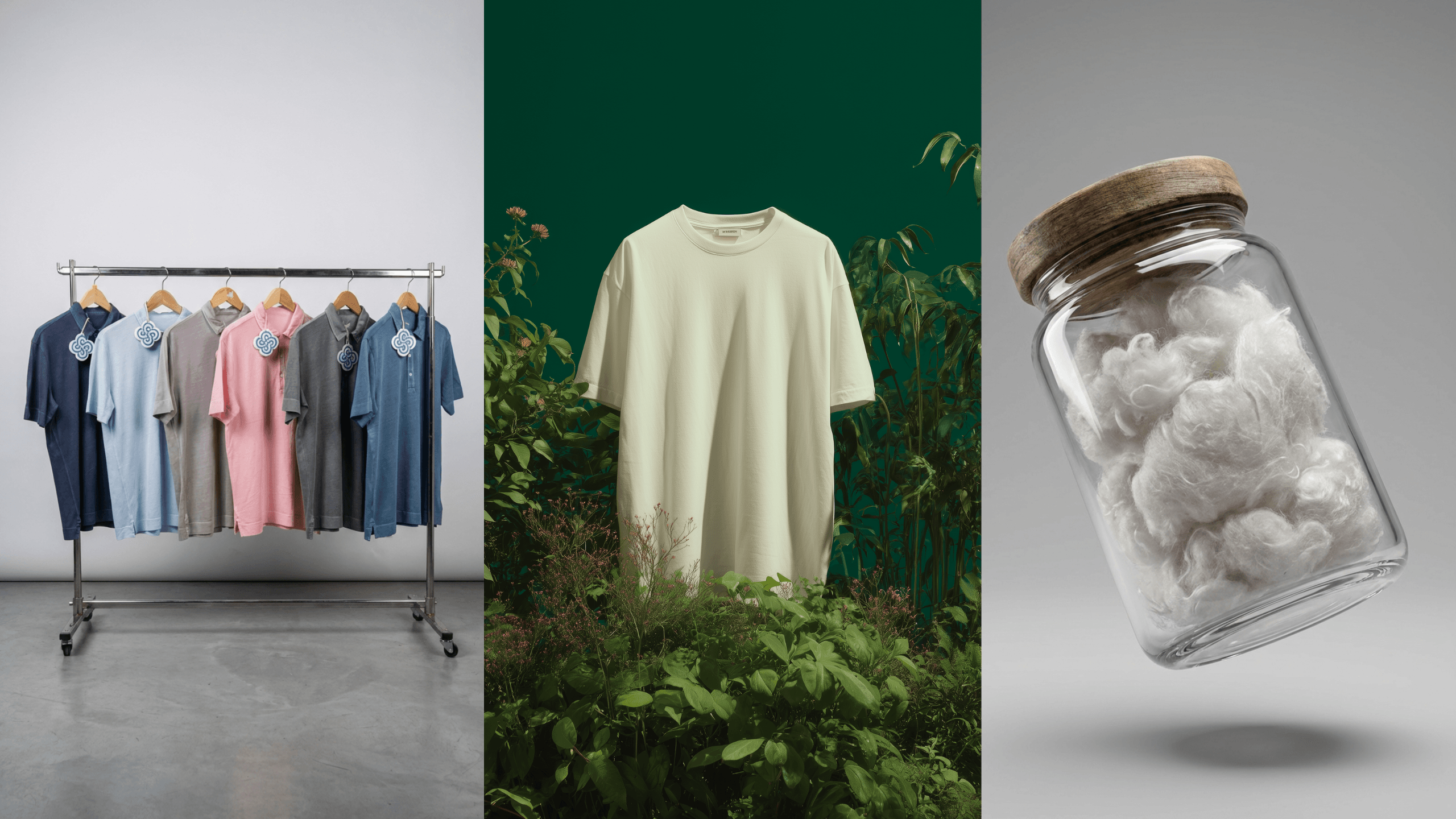
What Is Lyocell Fiber and Why Is It Growing?
Lyocell is a regenerated cellulose fiber produced from plant-based raw materials, most commonly wood pulp, using a closed-loop manufacturing process. Unlike conventional rayon or viscose production, the lyocell process recovers and reuses over 99% of its solvents, drastically reducing chemical waste and water consumption.
The fiber's growth is being driven by two forces working in tandem: consumer demand for sustainable materials and increasingly strict government regulation. Apparel brands now incorporate sustainable fibers in their collections, and major fashion retailers have pledged to increase sustainable materials of their product lines by 2030.
Lyocell isn't growing because it's fashionable. It's growing because it performs, and because the industry has no credible alternative.
What Is Driving the Lyocell Market Boom?
The lyocell market is expanding across 3 key drivers:
-
EU Regulation, The EU's Strategy for Sustainable and Circular Textiles expects that by 2030, textile products sold in the EU should be durable, recyclable and largely made with sustainable materials. This creates demand for circular fibers at scale.
-
Consumer pressure, Shoppers, particularly in European markets, are actively seeking out brands that use verified sustainable materials, and penalising those that don't.
-
Material performance, Lyocell's natural breathability, moisture-wicking properties and strength make it competitive across apparel, performance wear and technical textiles, not just sustainable fashion.
Brands that delay building lyocell into their supply chains risk scrambling to comply in 2030. Those moving now will have the sourcing relationships, certifications and production experience to lead.
Sustainable vs. Truly Circular: What's the Difference?
Most lyocell on the market is made from virgin wood pulp, sustainable in its production process but still dependent on new raw materials. That is an important distinction for brands aiming for genuine circularity.
Truly circular lyocell starts not with a forest, but with waste, specifically cotton-rich textiles that would otherwise end up in landfill or incineration.
This is exactly where SaXcell operates.
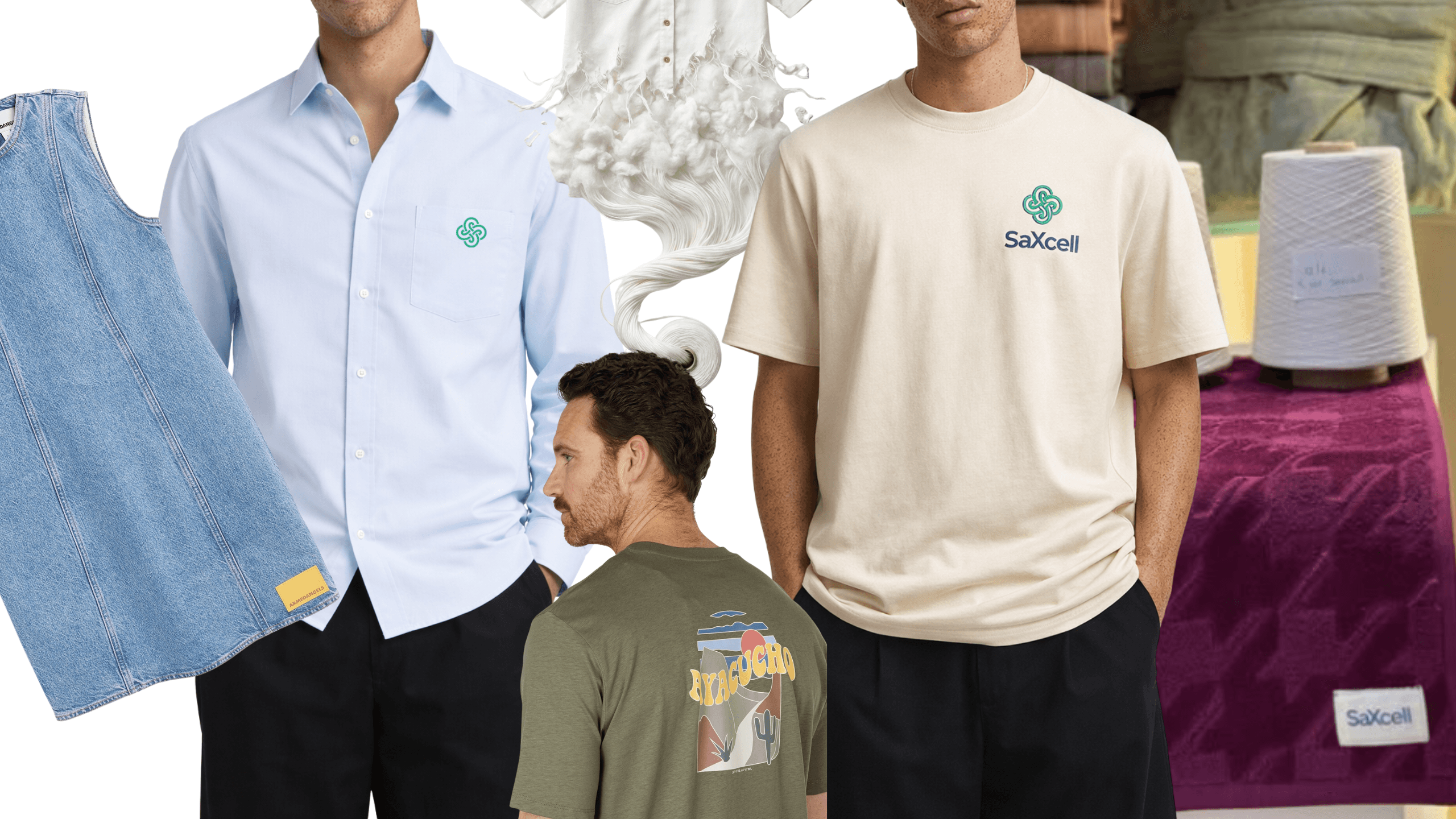
How SaXcell Fits Into the Circular Fiber Market
SaXcell converts cotton-rich textile waste into high-quality lyocell fiber through a closed-loop process. The result is a fiber that is stronger than the cotton it came from, with over 99% solvent recovery and zero discharge.
SaXcell L30 is the company's commercial product: a fiber blend of 30% recycled textile waste pulp and 70% wood pulp, spun into lyocell fiber. It is market-ready, certified and already in use by brands.
For brands navigating the 2030 regulatory deadline, SaXcell offers a direct route to verified circularity, not greenwashing, but a documented closed-loop supply chain.
Key Takeaways
- The global lyocell fiber market is growing at 11.7% CAGR and will reach nearly $2 billion by 2031
- EU regulation mandates circular, recyclable textiles across all product lines by 2030
- Most lyocell is made from virgin wood pulp, truly circular lyocell starts with post-consumer waste
- SaXcell L30 converts textile waste into high-performance lyocell fiber with minimal water, no toxic chemicals and 99%+ solvent recovery
- Brands that build circular supply chains now will be the ones leading when regulation takes full effect
Ready to Future-Proof Your Supply Chain?
2030 is not far away. The brands building circular sourcing relationships today will be the ones leading when regulation hits. SaXcell is commercial, certified, and ready to scale with you.