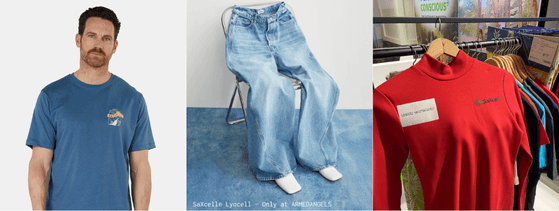
Viscose vs. SaXcell
Not all regenerated cellulose fibers are made the same way. While viscose follows a traditional path, SaXcell takes a new one built on circularity, performance, and minimal environmental impact. Let’s walk you through the key differences and explain why SaXcell’s approach is more suited for the future of textiles.
Viscose
Viscose, also known as rayon, is typically made from wood pulp (e.g. eucalyptus, beech, pine) that is converted into cellulose. The process involves multiple chemical treatments such as steeping in sodium hydroxide, shredding, aging, xanthation (using carbon disulfide), dissolving, spinning, washing, bleaching, and finishing.
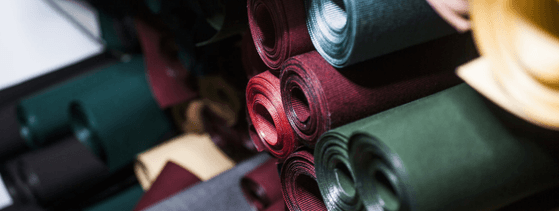
While widely used, the viscose process has known drawbacks:
-
Carbon disulfide is highly toxic and poses health & environmental risks.
-
The process often demands large volumes of water and generates chemical effluents.
-
Because it depends on virgin pulp, it contributes to deforestation, land use, and the consumption of natural resources.
-
The fiber quality can vary, and in some cases, properties (like strength when wet) may be weaker compared to newer approaches.
SaXcell: The Circular Alternative
SaXcell’s process is built around textile-to-textile recycling, turning used cotton and textile waste into high-quality, regenerated cellulose fibers.
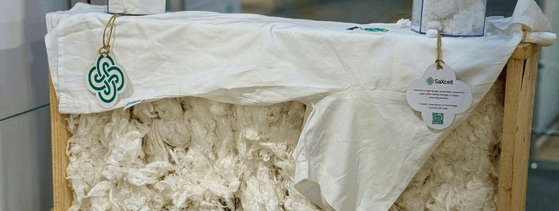
Some of the hallmarks of SaXcell’s method:
-
Lyocell-based process: SaXcell’s recycling makes use of a lyocell route, which avoids the most toxic chemical steps (like carbon disulfide) that are standard in viscose production.
-
Lower water & dye usage: Because of cleaner chemistry and fiber purity, SaXcell claims to reduce water and dye consumption compared to conventional viscose methods.
-
Circular feedstock: Starting with post-consumer waste enables closing the loop: it minimizes reliance on virgin wood, and diverts textile waste from incineration or landfill.
-
Performance & blending: SaXcell fibers are suitable for blending with other materials and are intended for high-quality applications in garments and home textiles.
What this means:
True circularity: Unlike viscose, which begins with virgin wood, SaXcell aims to close the textile loop.
-
Cleaner chemistry: By avoiding the most harmful chemicals, the process is more sustainable and safer for people and the planet.
-
Resource efficiency: Reduced water, dye, and raw material consumption means lower environmental footprint.
-
Quality & market relevance: SaXcell fiber is designed to integrate into existing textile value chains (blends, knits, weaves).
We believe the future of sustainable textiles lies not in reinventing fabrics but in rethinking the processes behind them. SaXcell isn’t just an alternative, it's the benchmark for circular, high-performance fiber innovation.