The future of cotton is under pressure. Here's what it means for the textile industry.
Global demand for cotton is rising. But so are the costs of producing it. The OECD-FAO Agricultural Outlook 2025–2034 lays out a decade of structural challenges for the cotton sector and the textile value chain that depends on it.
For brands, manufacturers and sourcing teams, this isn't a distant scenario. It's a shift that's already reshaping how the industry thinks about fiber supply, cost management and long-term resilience.

Global cotton demand is rising. Supply is struggling to keep up.
The OECD-FAO projects steady growth in cotton consumption through 2034. The drivers are familiar: population growth, rising incomes and expanding urban markets, particularly in Asia and Africa.
But while demand moves in one direction, the supply side tells a different story.
Cotton yields are coming under increasing pressure. The cost of key inputs like fertilisers, energy and transportation has been climbing and is expected to continue rising over the coming decade. At the same time, environmental stresses including water scarcity and heat exposure are affecting productivity in major growing regions.
The result is a tightening balance between what the market needs and what the land can deliver.
The cost of growing cotton is going up
Cotton has always been a resource-intensive crop. Producing a single kilogram of conventional cotton requires approximately 2,000 litres of water. Add to that the rising costs of chemical inputs, fuel and logistics and the economics of virgin cotton production become increasingly strained.
The OECD-FAO outlook also highlights a shift in global trade flows. Countries with lower production costs and more favourable growing conditions are expected to expand their share of exports. Producers facing higher input costs or weaker infrastructure may see their competitiveness decline.
For the textile industry, this means sourcing strategies that worked over the past decade may not hold over the next one. Relying heavily on a single virgin fiber source carries growing risk on both cost and availability.

What this means for the textile value chain
The pressure on cotton supply doesn't exist in isolation. It intersects with a broader set of regulatory and market forces that are reshaping the textile industry.
The EU Green Claims Directive is tightening the rules around how brands communicate sustainability. Extended Producer Responsibility (EPR) schemes are expanding across Europe, making producers financially responsible for end-of-life textile waste. And consumer expectations around transparency and traceability continue to rise.
Together, these forces create a clear signal: the industry needs to diversify its fiber sources. Not just for environmental reasons but for commercial resilience. Brands that build recycled and circular fibers into their supply chains now will be better positioned to manage cost volatility, meet regulatory requirements and respond to shifting consumer demand.
Recycled cellulose fibers as a structural alternative
Textile-to-textile recycling is not a replacement for cotton. But it is emerging as a credible and scalable complement that can absorb a meaningful share of fiber demand while reducing dependence on virgin resources.
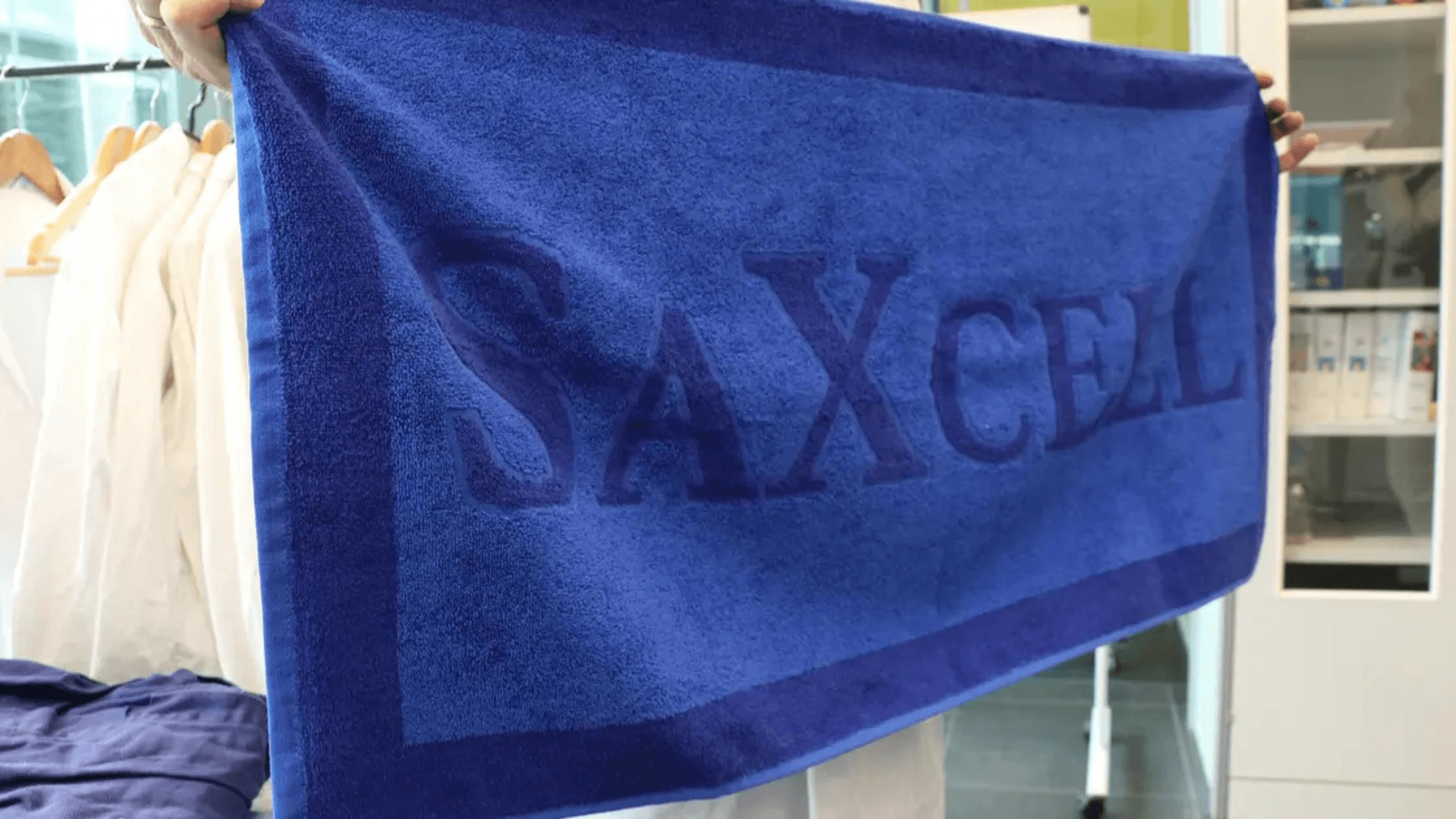
At SaXcell, we produce high-quality cellulose fibers from cotton-rich textile waste using a closed-loop lyocell process. Our fibers are engineered to perform at the level the industry requires:
- Uniform 38mm fiber length (compared to cotton's variable 22–32mm)
- 50% higher moisture absorption than standard cotton
- Higher tenacity and luster
- Approximately 40 litres of water per kg of production
- Over 99% solvent recovery in a closed-loop system
- Zero microplastics
SaXcell fiber performs in spinning and weaving with more consistency than conventional cotton because its length and quality are uniform rather than variable.
The point is not to position recycled fibers against cotton. It is to offer the industry a high-performance alternative that reduces exposure to the cost and supply pressures.
If you're exploring how recycled cellulose fibers can fit into your sourcing strategy, we'd welcome the conversation.